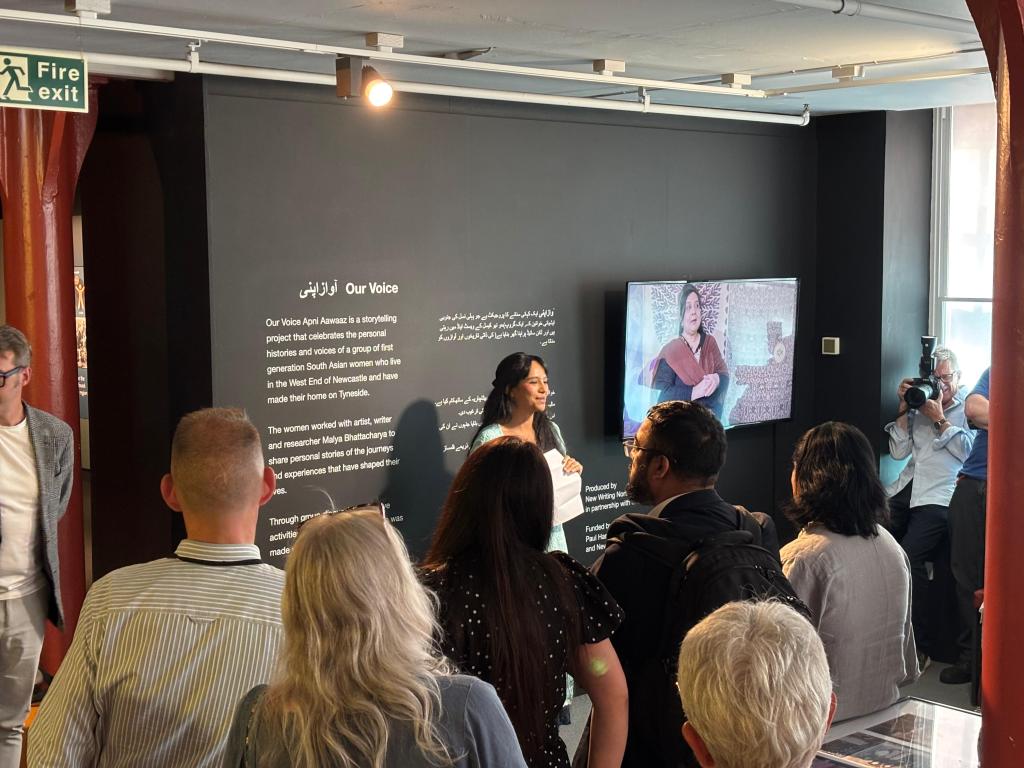

Recently, I participated in a workshop organised by The Feminist Review Collective, where we started the discussion by creating a wordcloud of words that, we are told, are not academic.
Overwhelmingly then, the cloud grew with words of affect – ‘joy’ ‘I feel’, ‘sentimental’, ‘softness’, ‘I reckon’ – these were some of the words I remember of what we are told are not academic.
How to write academically
And I thought later, who was it that first told me that this was not the way to write academically? But I couldn’t really put my finger on a person. I suppose it happened organically because of the work I was reading, even when I was a young undergraduate, trying to learn how to do academics.
But there was a duality – because I was studying English literature in Jadavpur University, where our professors frequently told us to smash the discipline. In one of our assessments on graphic novels, the professor had set a question consisting merely of three words – ‘I’ve been framed!’
Yet another professor, one day, when their union was striking, turned up in the morning with two of her dogs and swept us out of the classroom and into the university lawns. There we sat in a circle smoking and reading poetry while she told us elaborately about how shit some of it was.
So that could not have been where my ‘training’ in academic writing came from. Maybe it was because, after I’d listened to these radical professors, I’d turn to the libraries or the internet to study before a test. In those pages of dense academic theory, the language was so monolithic, saying different things, perhaps a beautiful, almost revolutionary argument, in some cruel language.
This article argues that …
I hate that phrase, ‘argues that’, why so defensive?
Even in my radical university, nobody really taught us how to do academic writing. We were left on our own to figure that part out. And reading the literature, academic literature, that has come out over the past hundred years or so, can be very damaging to the way you communicate.
Writing for Readability
Over the past few years, I’ve tried to unlearn the way academic treatise has been written. I’ve argued about writing creatively, in accessible language and most importantly to focus on readability.
This has a political significance: if academics write in a language that is not accessible to the communities they are writing about, it reproduces colonial cycles where knowledge is produced in one place, that is, the academy, and the rest of the world, usually marginalised communities or the global South, becomes an endless producer of data.
As academics then, I think it becomes almost an ethical obligation to return knowledge to the places we derive our knowledge/data from. One way to do that is to make your research accessible to as many people as possible.
My source of all knowledge is reading
So what does all this have to do with my initial point about the harshness of academic language?
To live off an archetype, I am going to return to my mother. My mother is amazing – when I was a child, she would tell me things about remote islands in the Pacific to how Satyajit Ray shot his first films, about the possibilities of alien life and as she was a teacher, the latest pedagogic developments. And, she would say to me, ‘My source of all knowledge is reading’.
What was she reading? I have seen her read off the bits of newspaper that street-vendors folded up to sell fried snacks. In short, everything!
But she never went near an ‘academic’ publication – Baba re! I don’t understand a word, she would say. And I would try to imagine this Lady of letters baffled at a collection of exactly her forte – words! How come?
Wishful Thinking
What if the most critical knowledge that is produced in the academy is made readable, or accessible in any other way?
Imagine the possibilities – combatting the nonsense that is spewed as ‘news’, people able to tell propaganda from fact, and maybe even… gaining nuanced understanding of political issues?
Surely, it would benefit the whole world?
What is Academic?
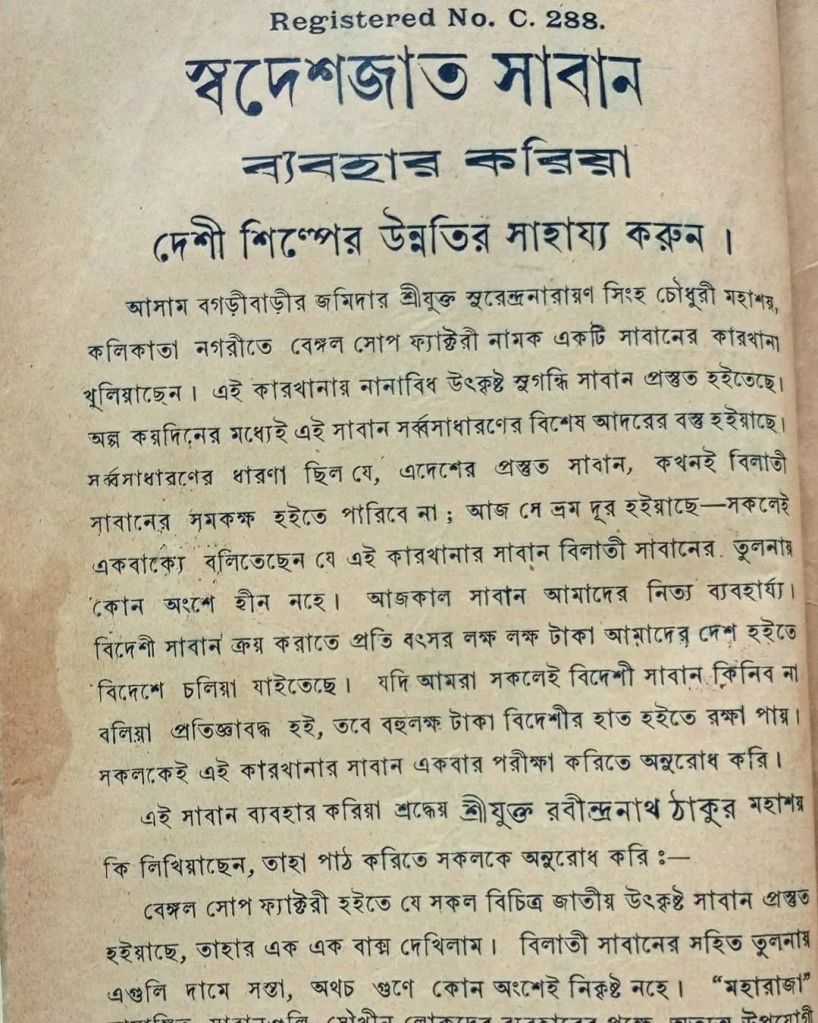
Even a few centuries ago, knowledge was coded. In Europe it was Latin, in India it was Sanskrit or Persian.
My conspiracy theory is that once the movements to replace these languages so far away from the people kicked it, and the vernacular came in, they (I don’t quite know WHO), found other means to stop knowledge from being completely democratised.
Enter: The Academy.
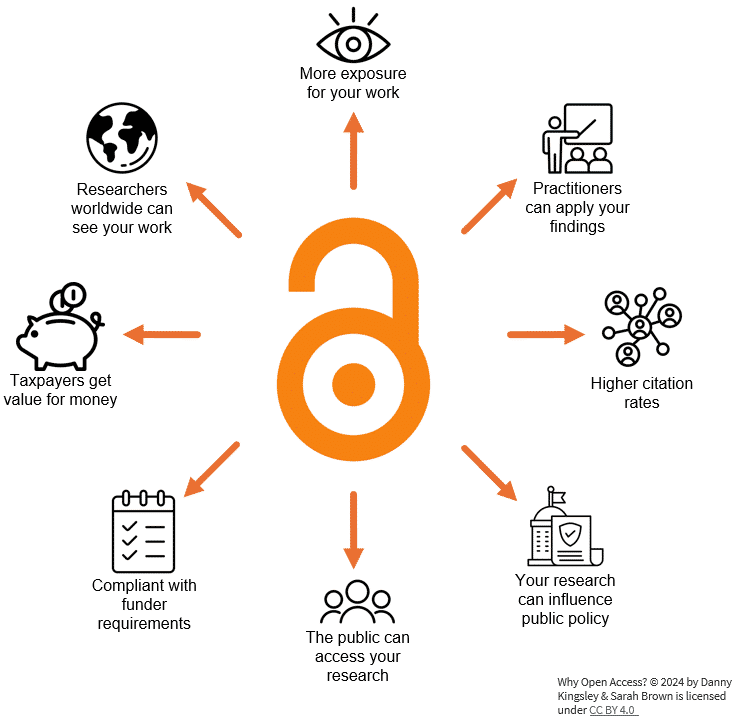
Your Institution does not have subscription to this journal.
Individual subscription? £80 a month.
Maybe, you get in. And it’s still a completely different language to the one(s) you speak. I call the language ‘harsh’ – others call is ‘jargon’, ‘critical’, ‘advanced’, or ‘academic’.